
OMIOS BIOLOGICS
Hacking virus evolution to engineer tomorrow's cures.
A computational platform that decodes viral strategies to engineer precision therapeutics.
PROUD TO BE ASSOCIATED WITH:



ABOUT
Nature Spent Millennia Building This. We Decoded It.
The Omios Discovery Engine (ODE) decodes how viruses interact with human biology to engineer precision therapeutics with unprecedented selectivity — replacing guesswork with predictive engineering to build high-potency drug candidates across all human diseases.
PROCESS
Three Steps. Zero Guesswork.
STEP 1
Map the Vulnerability
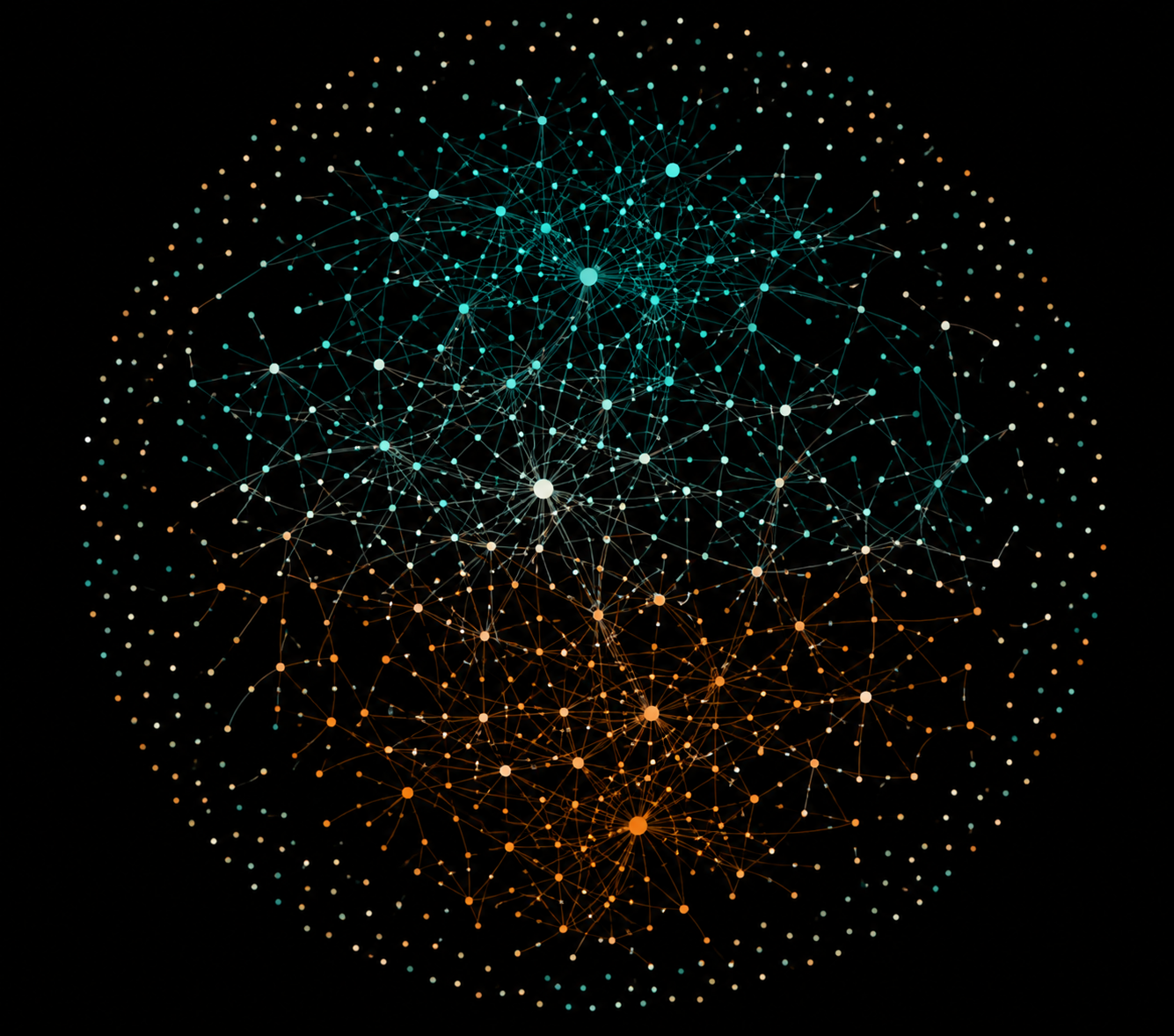
We cross-reference dysregulated biology of a disease against more than 270 known human viruses to pinpoint the exact biological weakness to treat a disease — creating a precise target before a single molecule is synthesized.

STEP 2
Validate the Target
We identify the specific viral strategy that exploits each disease vulnerability, gaining insights from nature's most sophisticated biological tools to create new therapeutic strategies.

STEP 3
Engineer the Cure
With the target validated and the mechanism matched, we build high-selectivity, high-potency therapeutic assets from day one. We confirm every prediction in the wet lab before mature assets move to the clinic.
PIPELINE
Developed drugs for cancer - now moving to all disease areas.
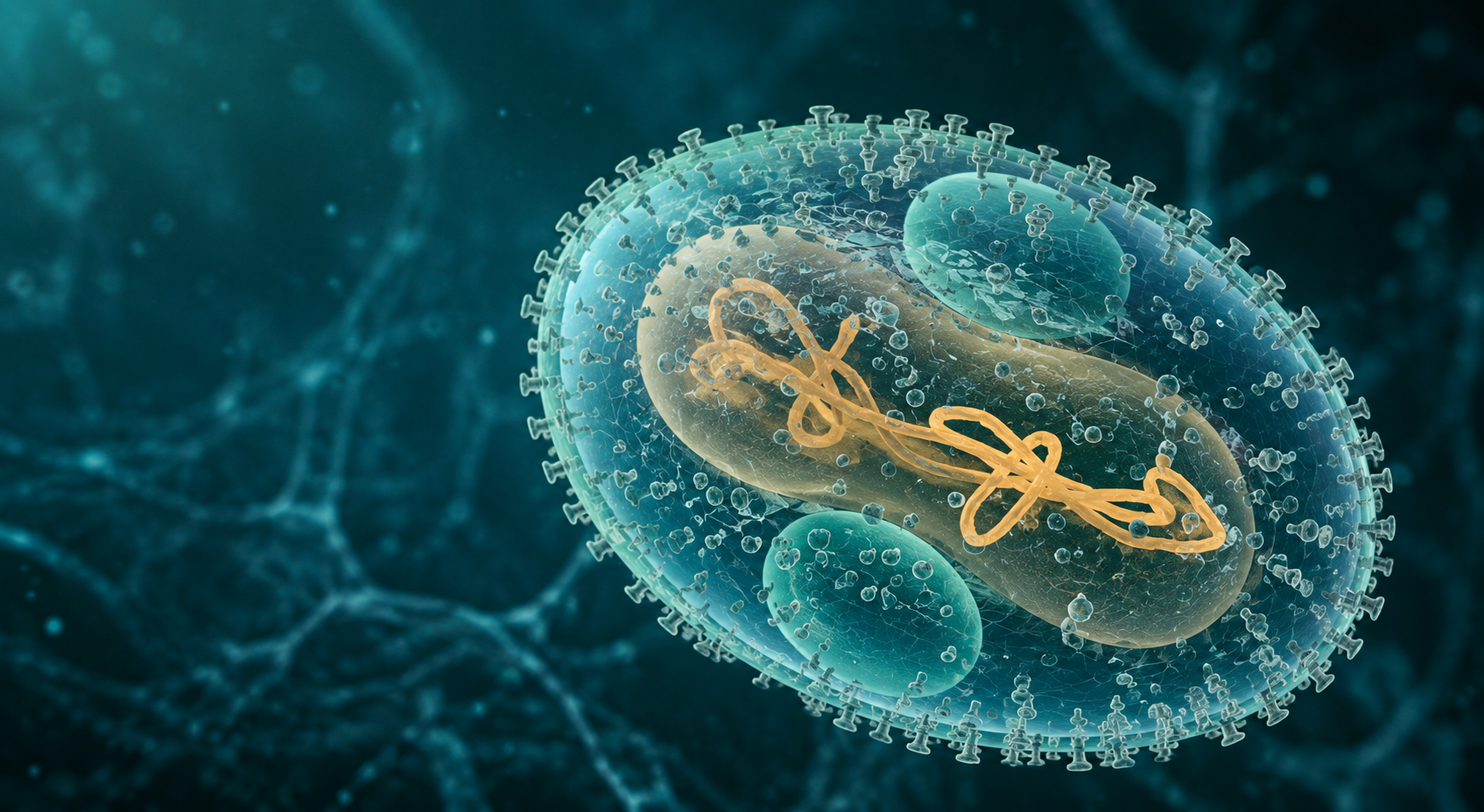
Developers of the first and only biomarker-driven oncolytic virus platform, now expanding into immune and inflammation, metabolic and neurodegenerative diseases with other modalities.

BENEFITS
Eliminating failures from day one.
By using viral targets as inspiration, ODE eliminates the need to synthesize and test thousands of dead-end molecules — radically accelerating preclinical development and getting drugs to patients faster. And with built-in predictive precision, ODE eliminates the heartbreaking Phase 2 failures that plague traditional drug discovery
FAQ
The Questions Worth Asking.
Why viral-host interactions?
Viruses have evolved over millenia alongside us and have learned to exploit our cells with their tiny genomes. To be able to do this, they have figured out amazing creative ways which are still being understood. In many ways , this is the equivalent to billions of experiments where we see only the remnants of what has worked. Viruses pick the best, most efficient targets in our cells and we can learn from this. This is what we seek to exploit.
What can you get out of understanding the host-viral interaction?
To enter a cell, to avoid the immune system and to proliferate, viruses deploy a bunch of weapons that find creative ways to manipulate our pathways. This knowledge is immensely valuable because they manipulate innate immune responses, metabolic pathways, and scores of other signaling pathways. If any of these proteins/pathways are involved in human disease, then viruses have given us a template for how to drug them.
What is your Omios Discovery Engine ODE platform? Can you give details?
Our platform is basically a computational way to synthesize, store, and explore all the host-viral interaction knowledge and we are constantly expanding it. This remains the core of our company and our approach and is what generates the different assets. As such, we have decided to keep the computational ‘secret sauce’ behind it a trade secret. However, we are scientists first, and would love to collaborate so please reach out and we can figure out if we can help with whatever topic you are working on.
What assets or areas are you pursuing?
As one can imagine, one of the areas best studied in host-viral interaction is how they evade our immune systems. This study of innate immune systems is where our first assets are emerging from. The most advanced in this are our oncology assets in the form of engineered oncolytic viruses that target specific tumors. As these assets head towards the clinic, we are getting deeper into the other targets which span autoimmune diseases and metabolic diseases.
What are your oncology targets?
We have designed engineered oncolytic viruses (OVs) for specific oncology indications based on proprietary biomarkers. Rather than pursuing a one-size-fits-all approach, we build tumor-subtype-specific therapies that target distinct cancer mechanisms. Our current indications with supporting data include triple-negative breast cancer, squamous cell lung cancer, pancreatic cancer (MSI-level independent), and kidney chromophobe cancer.
Why biomarkers instead of general anticancer OVs?
We are well aware of how diverse cancers are and the many different mechanisms they use to become malignant. Biomarkers are the key to creating more precise therapies. Just as selective PD-L1 biomarkers helped transform cancer treatment with Keytruda (pembrolizumab), our biomarkers identify the specific biochemical mechanisms that control how our oncolytic viruses work. This allows our therapies to selectively target specific cancer subtypes while remaining safe in healthy cells.
TEAM
Decades of Discovery. One Mission.
The Omios founding team has unique blend of deep scientific expertise in virology and computation, successful drug development, and biotech entrepreneurship.




CONNECT
Connect with the Omios Team.
Our computational + wet lab validation platform is available for partnership, enabling on-demand target and therapeutic strategy discovery for diseases of interest.